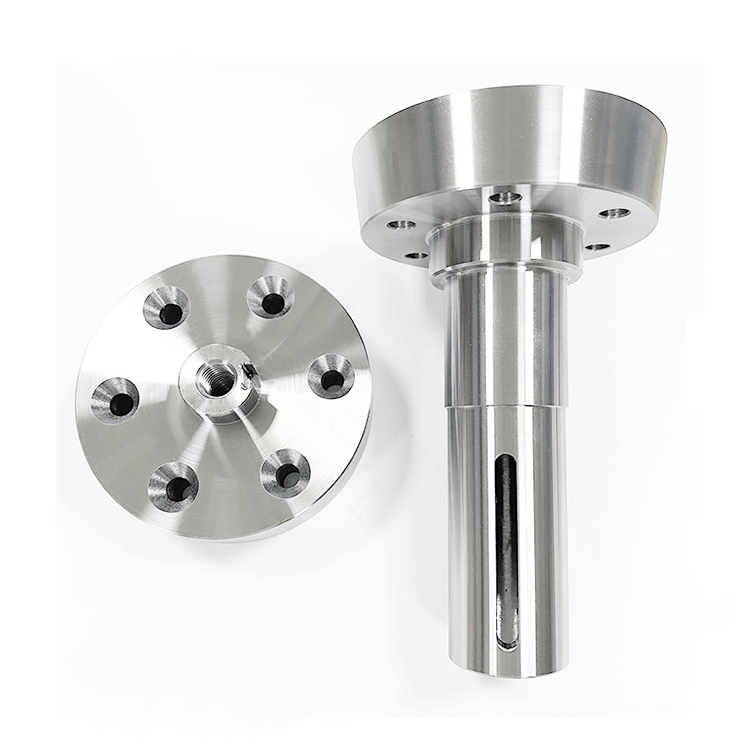
Cycle Time Optimization in Precision CNC Machining
Introduction
In today’s highly competitive manufacturing environment, cycle time optimization has become a critical factor in precision CNC machining. Manufacturers are no longer focused solely on dimensional accuracy; they are equally concerned with machining efficiency, lead time reduction, and scalable production performance.
Why Cycle Time Matters in Precision CNC Machining
Cycle time refers to the total machining time required to complete a component, including cutting, tool changes, repositioning, probing, and setup operations.
Reducing Setup and Fixturing Operations
Modern 5-axis CNC machining significantly improves cycle time optimization by allowing multiple surfaces to be machined in a single setup.
Toolpath Optimization for Higher Machining Efficiency
Adaptive machining maintains constant tool engagement, reducing tool wear and allowing higher feed rates.
Material Selection and Its Impact on Cycle Time
Aluminum remains one of the most efficient materials for precision CNC machining because of excellent machinability and efficient chip evacuation.
Tight Tolerance Requirements and Production Efficiency
Tight tolerance machining is essential for aerospace, medical, semiconductor, and automation industries.
DFM Strategies for Cycle Time Reduction
Well-designed components are easier, faster, and more stable to machine.
Automation and Smart Manufacturing Improvements
Modern CNC machining service providers increasingly use automation technologies to reduce non-cutting production time.
Conclusion
Cycle time optimization in precision CNC machining is a multidisciplinary engineering process involving machining strategy, fixture design, toolpath programming, material selection, tolerance management, and DFM optimization.
SEO Keywords
precision cnc machining, cnc machining service, rapid prototyping, custom cnc machining, cycle time optimization, aluminum cnc machining, 5-axis cnc machining, tight tolerance cnc machining, machining efficiency
READ MORE: