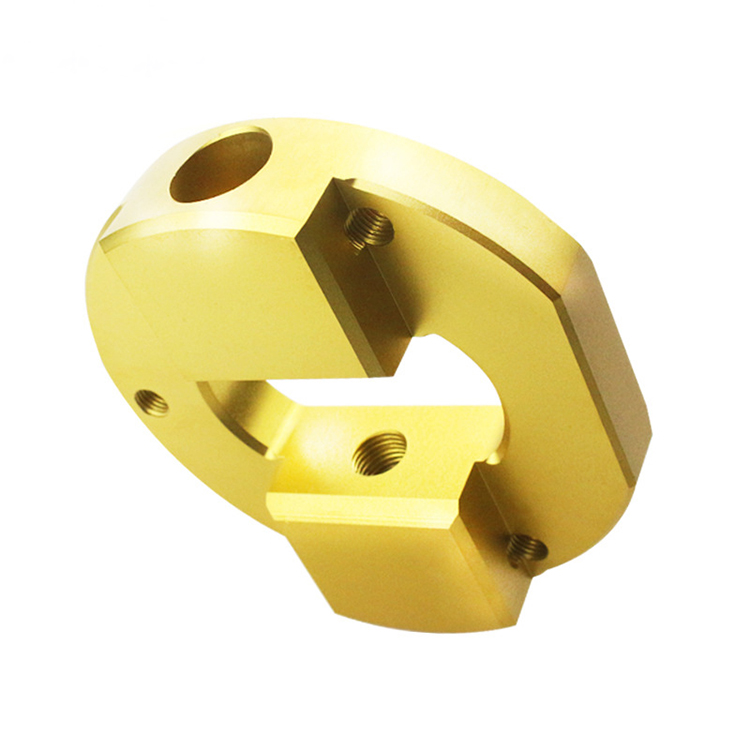
Why Tight Tolerances Increase Manufacturing Cost
Introduction
In modern manufacturing, tighter tolerances are often associated with higher quality. However, in many precision cnc machining projects, unnecessary tight tolerances significantly increase both machining complexity and overall manufacturing cost.
More Precision Requires More Machining Time
In custom cnc machining, tighter tolerances usually require slower feed rates, additional finishing passes, and smaller step-over movements. For many parts produced through cnc machining service, achieving micron-level precision also increases tool wear and machining cycle time.
Tight Tolerances Increase Inspection Requirements
In precision cnc machining, tight tolerance parts often require repeated in-process measurement and final CMM verification. More inspection means longer production time, additional quality control labor, and higher manufacturing overhead.
Fixture Stability and Thermal Control Become More Critical
In aluminum cnc machining, thermal deformation is especially important because aluminum reacts quickly to heat generation during cutting. Complex components requiring 5-axis cnc machining may also need more advanced fixturing strategies to maintain dimensional accuracy.
Unnecessary Tight Tolerances Waste Manufacturing Resources
For many custom metal parts, only assembly interfaces or motion-critical regions require extreme precision. Proper tolerance optimization helps manufacturers reduce machining cost without affecting product performance.
Conclusion
Tight tolerances increase manufacturing cost because they require slower machining, additional inspection, more stable fixturing, and greater process control. An experienced cnc machining service helps customers optimize manufacturability and reduce unnecessary manufacturing cost through smarter engineering decisions.
SEO Keywords: tight tolerance, precision cnc machining, cnc machining service, machining cost, manufacturing cost, custom cnc machining, cnc machining tolerance, tolerance optimization, high precision machining, aluminum cnc machining, 5-axis cnc machining, custom metal parts
READ MORE: